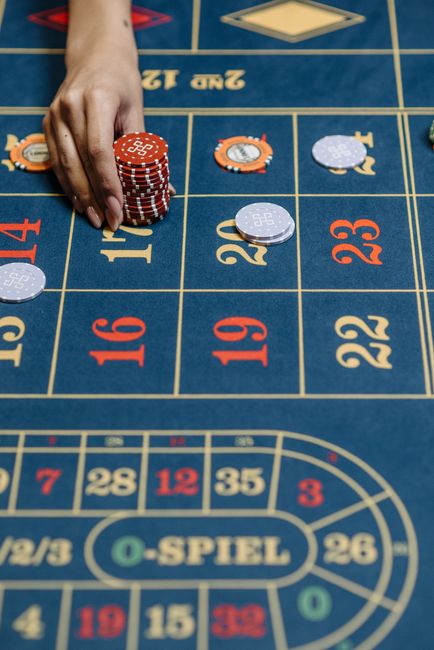


Walk into any casino on the Las Vegas Strip and you'll see it in their eyes: the unshakeable belief that the next spin, the next hand, the next roll will be the one. That's the engine that drives the entire iGaming industry, now worth well over $100 billion globally and still climbing. But here's what separates the curious from the broke: understanding what you're actually walking into before you press a single button. This isn't a sermon about gambling being bad, and it's not a hype piece telling you to mortgage the house for a hot streak. It's an honest look at the iGaming landscape — casinos, slots, betting, poker — and how to navigate it without getting fleeced.
iGaming isn't just online poker rooms anymore. It covers virtual casinos, sportsbooks, live dealer games, esports betting, and increasingly, skill-based games that blur the line between gambling and video gaming. The UK, Malta, and several US states have matured into regulated markets where operators answer to gaming commissions rather than offshore loopholes. That matters. A licensed operator has to publish its payout percentages, adhere to responsible gambling rules, and submit to audits. An unlicensed one doesn't.
If you're new to this, the first question isn't "which game pays best?" It's "is this operator accountable to anyone?" Check the license number in the footer, verify it with the regulator, and look for third-party auditors like eCOGRA or iTech Labs. That five-minute check separates a real platform from a data-harvesting trap.
Slots are the most misunderstood product in the building. Players talk about "hot machines" and "due for a payout," but every modern slot is a Random Number Generator generating an independent result on every spin. There is no memory. There is no due.
What you can evaluate is the math:
A slot at 96.5% RTP with medium volatility will bleed your bankroll far slower than a flashy neighbors at 92% with extreme volatility. That 4.5% gap is the difference between a two-hour session and a twenty-minute one.
Blackjack, roulette, baccarat — you're playing the house, and the house has an edge baked into the rules. Strategy can shrink that edge (basic blackjack strategy cuts the house advantage to under 1%), but you can't eliminate it. See keonhacaii5.com.co for a side-by-side comparison.
Poker is different. The house takes a rake — typically 5% of each pot, capped — and then gets out of the way. That means a skilled player can genuinely win long-term. The catch: "skilled" is doing heavy lifting there, and the modern online poker pool is unforgiving.
If you're serious about poker, build in this order:
Poker rewards patience and punishes ego. That's the entire game in six words.
Sports betting has exploded since the US lifted its federal ban in 2018. But the sportsbook isn't a casino slot — it's a market, and markets can be beaten with information the book hasn't priced in yet.
The house margin on a standard two-way line is around 4–5%, known as the vig or juice. To win long-term, you need to identify mispriced lines consistently. That means:
Betting every game because you like sports is entertainment. Betting selectively because you found value is investing. Know which one you're doing.
No strategy survives poor bankroll management. You can play perfect blackjack and still go broke if you bet 25% of your roll on one hand. The core principles are boring and non-negotiable:
The players who last aren't the luckiest. They're the ones who never put themselves in a position to be wiped out by one bad run.
The iGaming industry is built on entertainment, and entertainment has a cost. The same dopamine loop that makes a slot bonus round thrilling is the loop that turns a $50 night into a $5,000 problem. Responsible gambling isn't a buzzword the operators throw around to satisfy regulators — it's the line between a hobby and a spiral. Use deposit limits, take breaks, and if you ever find yourself hiding your play from people who care about you, step away. The best players in the world treat gambling like a business expense with a hard ceiling, not a lifeline. Do that, and the games stay what they were meant to be: exciting, social, and occasionally generous.

The Golden Heath shares practical, down-to-earth guidance on a uk blog about heathland walks, wildlife, seasonal countryside living, and practical outdoor skills. for readers across the UK.


Leave A Comment